



Hi,
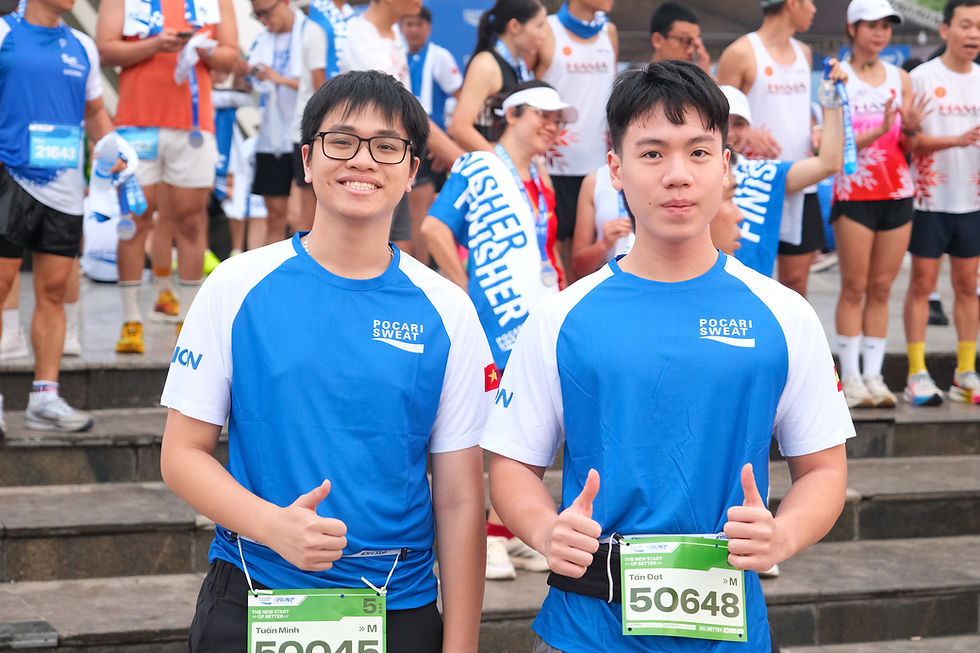
I'm Tan Dat
I build robots, train models, and write code that listens for every breath.
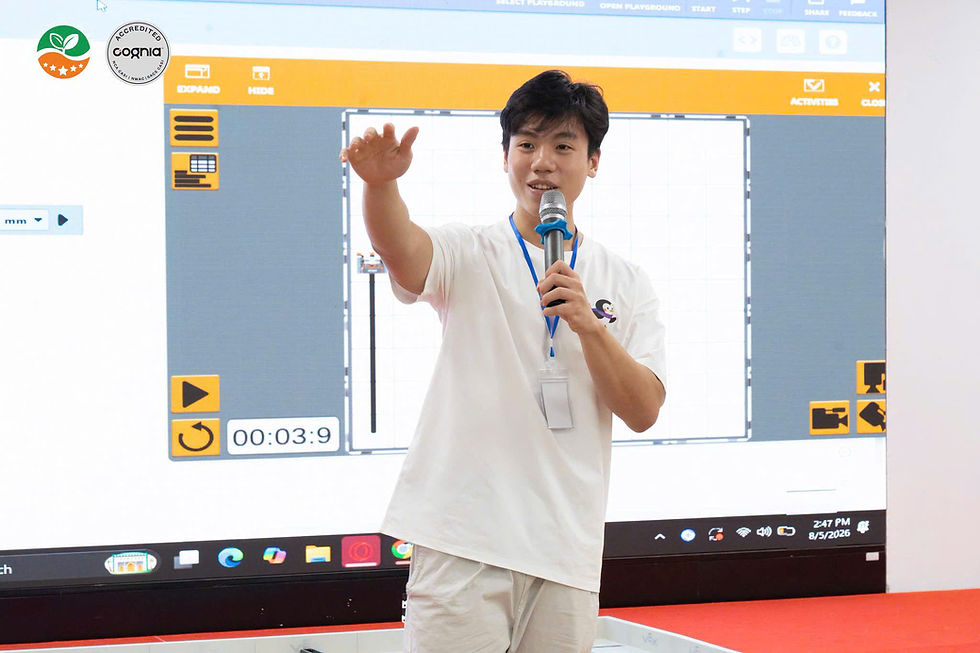
ABOUT ME
Growing up, my favorite moments have always been the simplest: sitting with my family, listening to music, hearing my grandmother sing, or picking up my guitar to play along. In my family, music has always been more than just a hobby; it brings people together, preserves memories, and makes ordinary moments feel meaningful.
At the same time, I have always enjoyed challenging myself. Whether through academics, sports, working out at the gym, or learning something new on my own, I am drawn to the process of improvement. I like understanding how things work, testing my limits, and finding better ways to solve problems. Over time, this curiosity has shaped not only what I enjoy learning, but also how I approach the world around me.
What matters most to me, however, is creating things that connect back to people. Many of the ideas I care about begin with someone close to me, a problem I have observed, or a moment that made me question whether something could be made simpler, more accessible, or more meaningful. I hope to continue exploring that intersection between curiosity, creativity, and human connection-and to build things that are not only technically interesting, but genuinely useful to the people they are meant for.
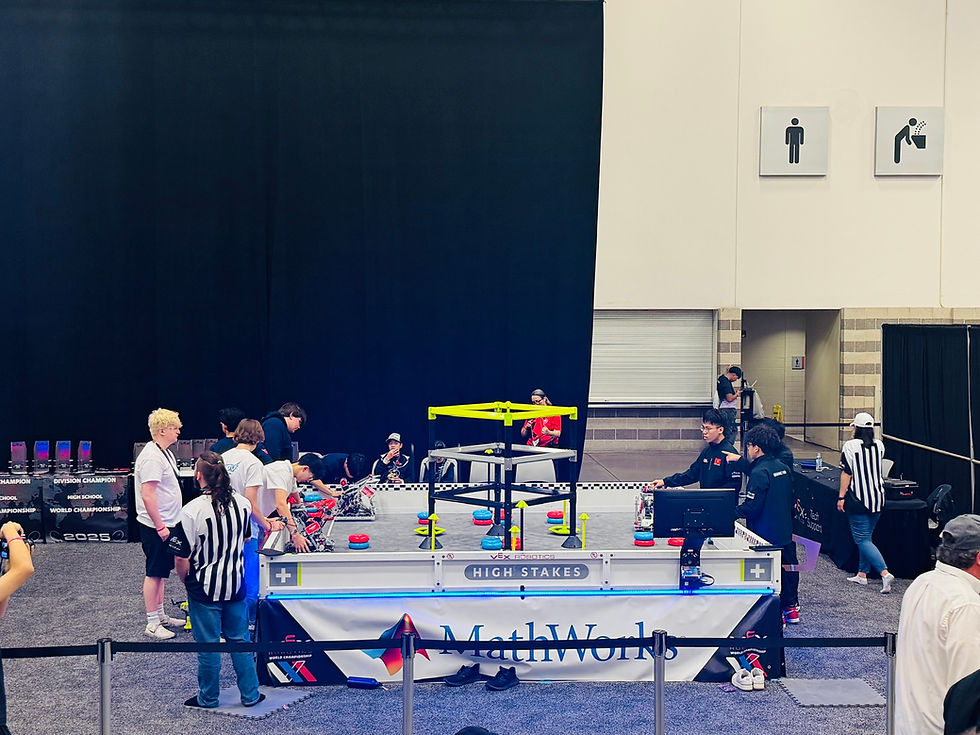
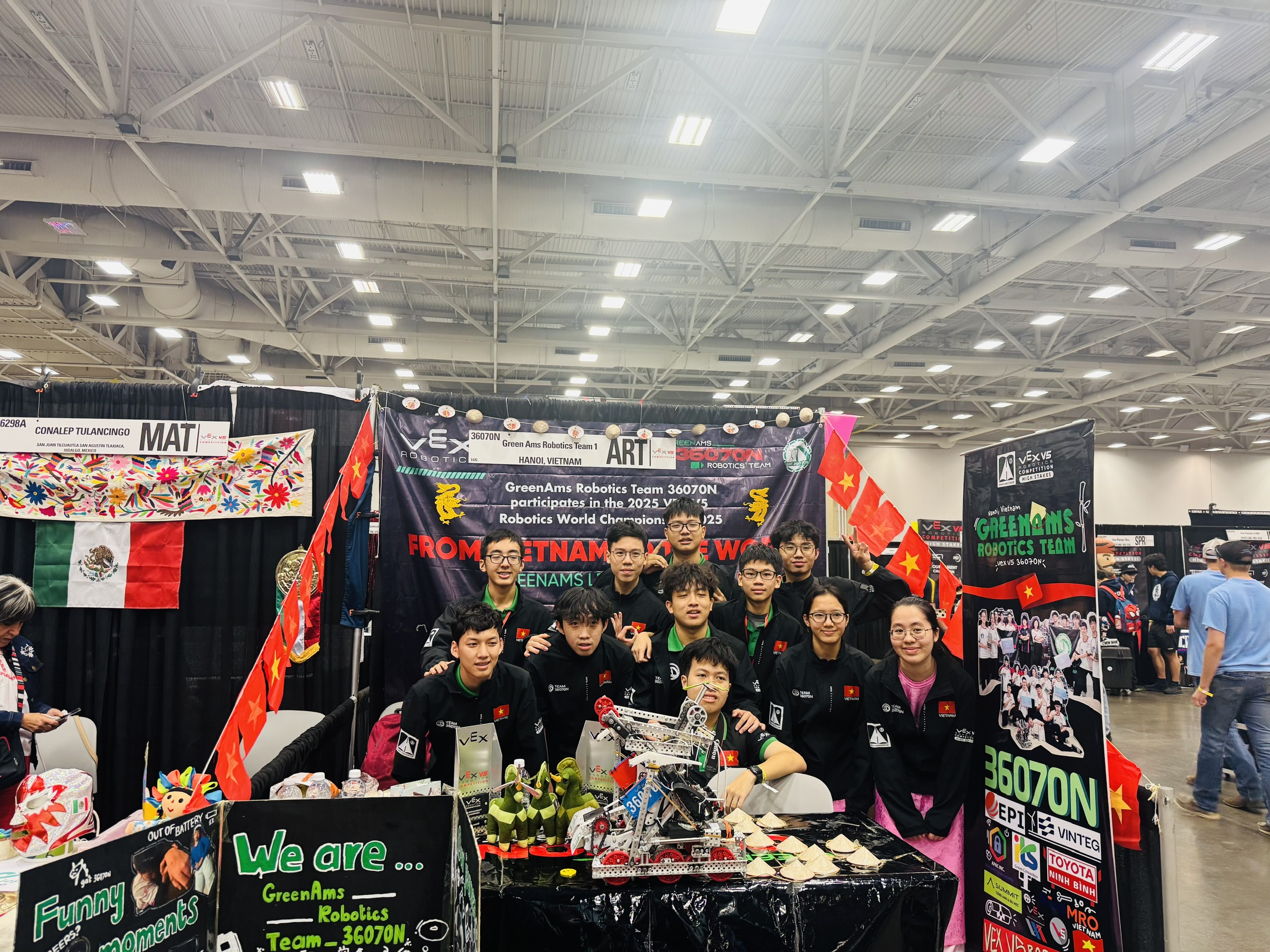
Top 10 VEX Worlds · 1,500+ breath samples · 978 real patients validated











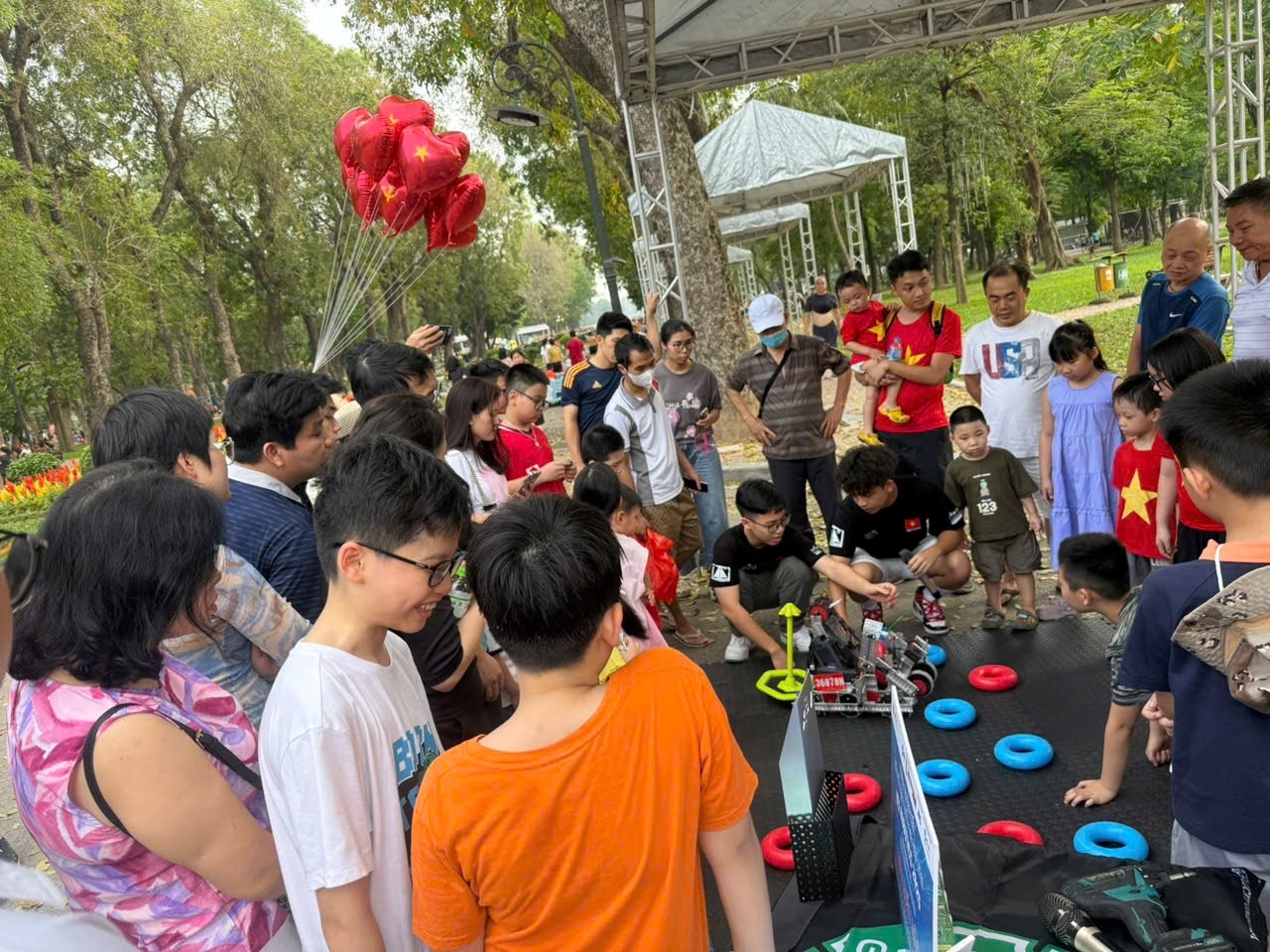
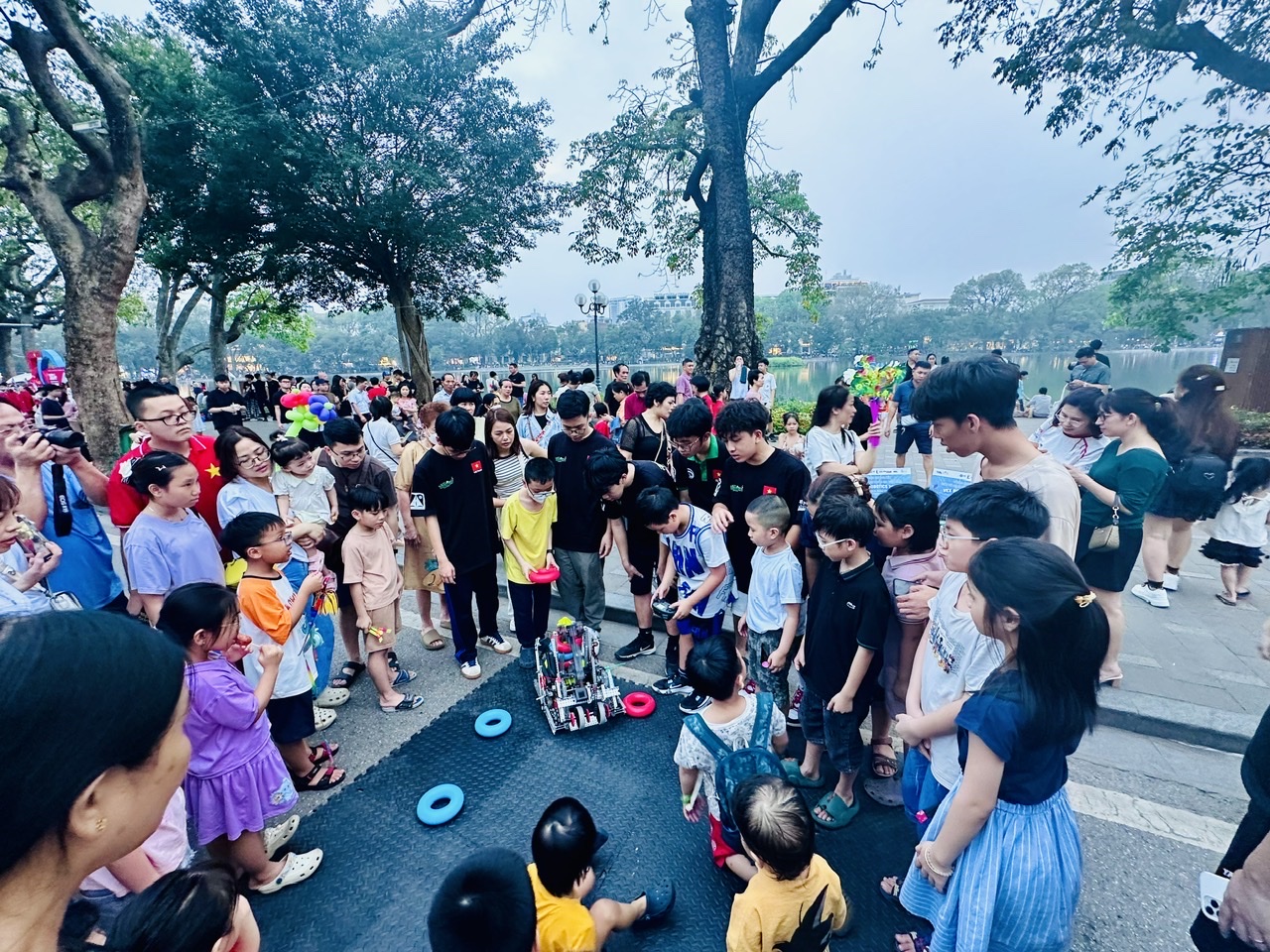
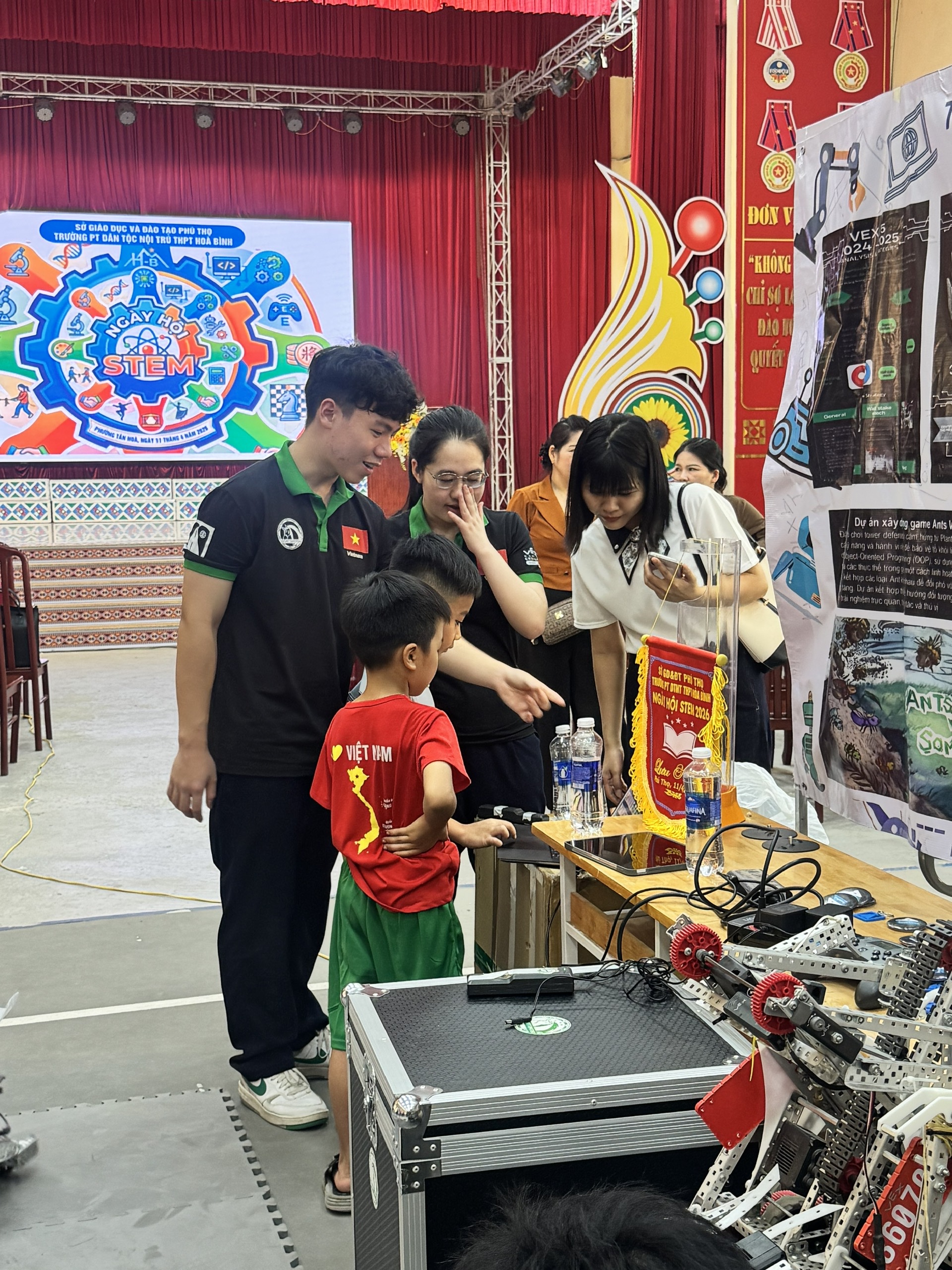
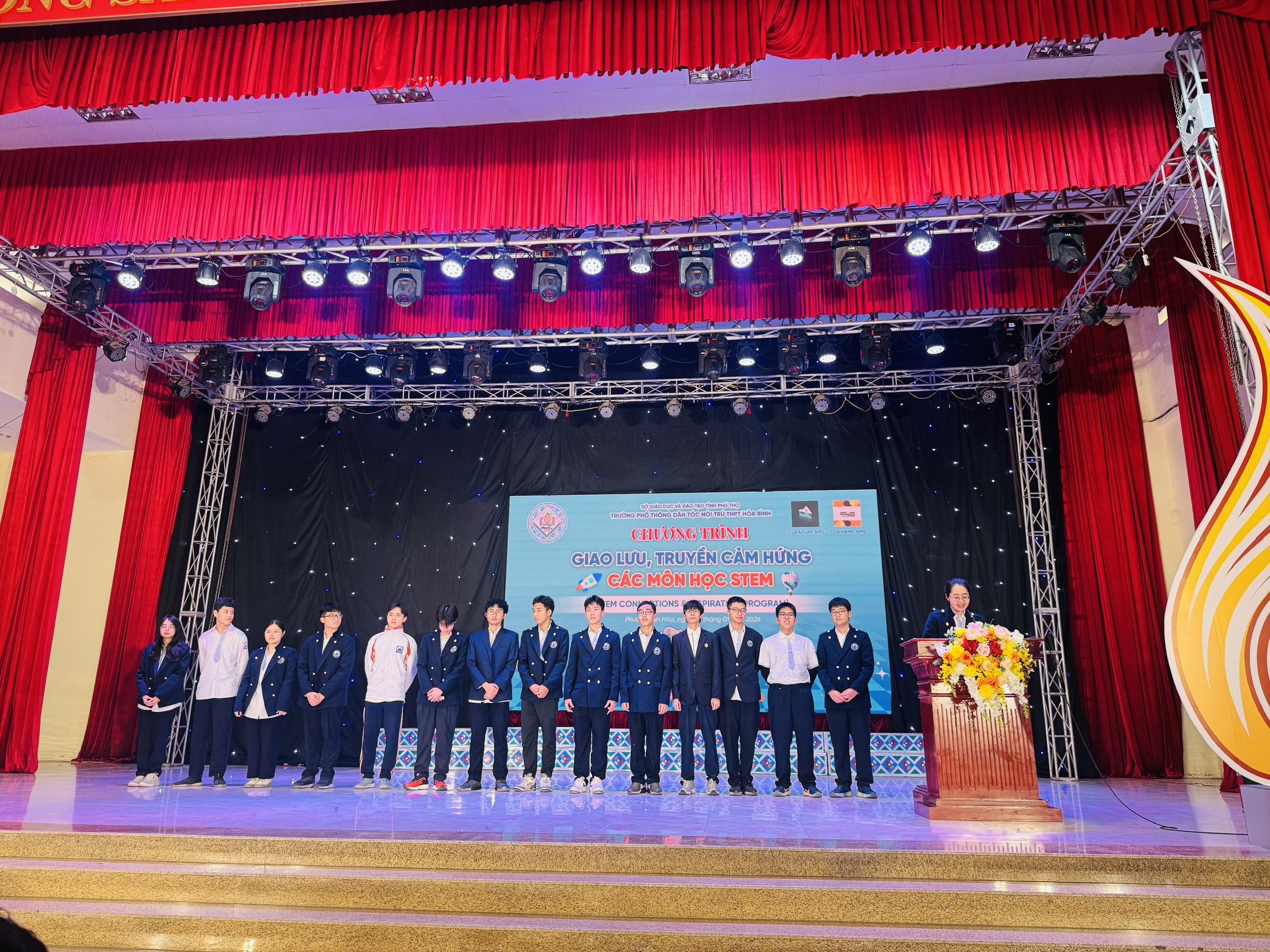
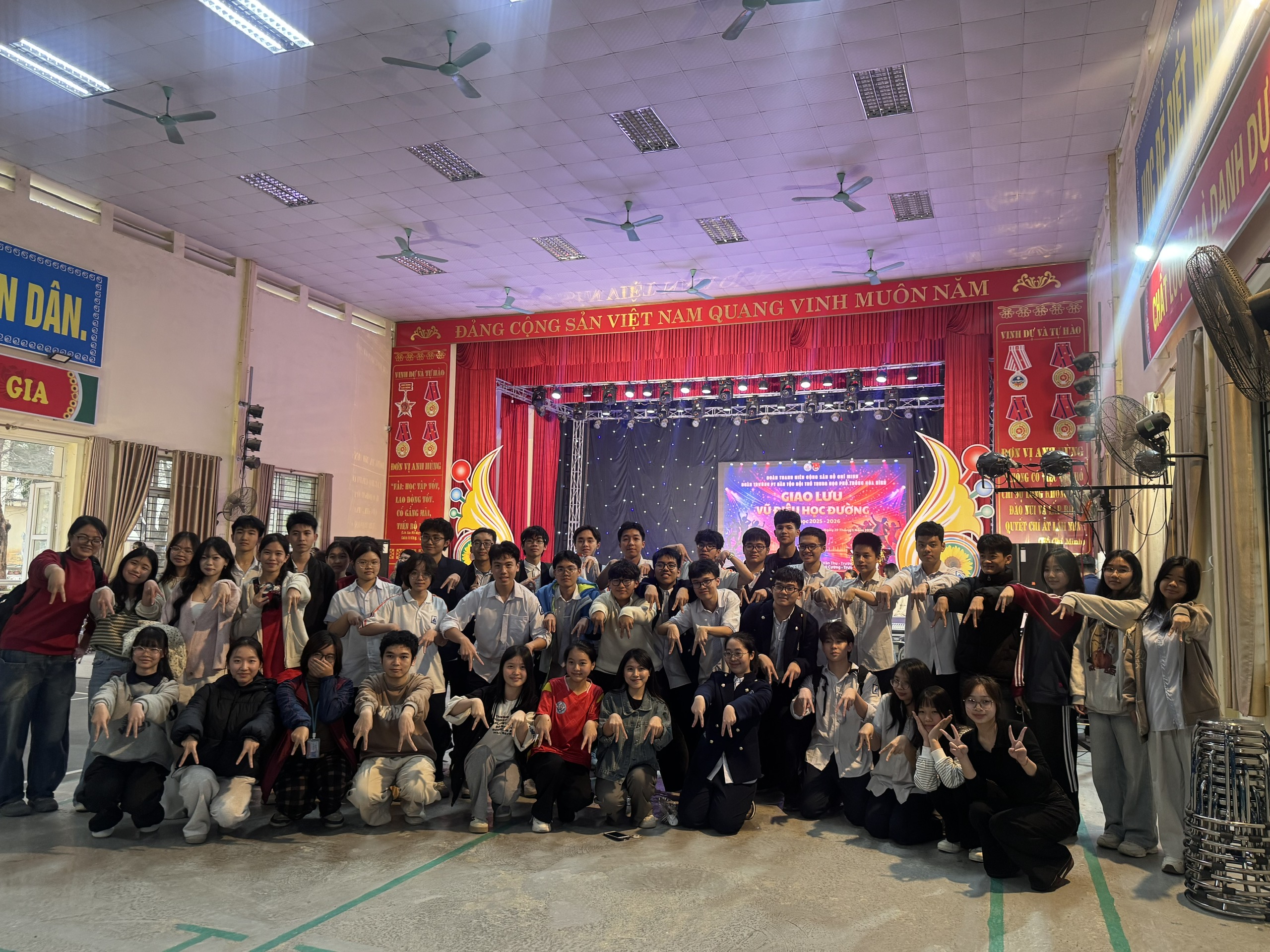
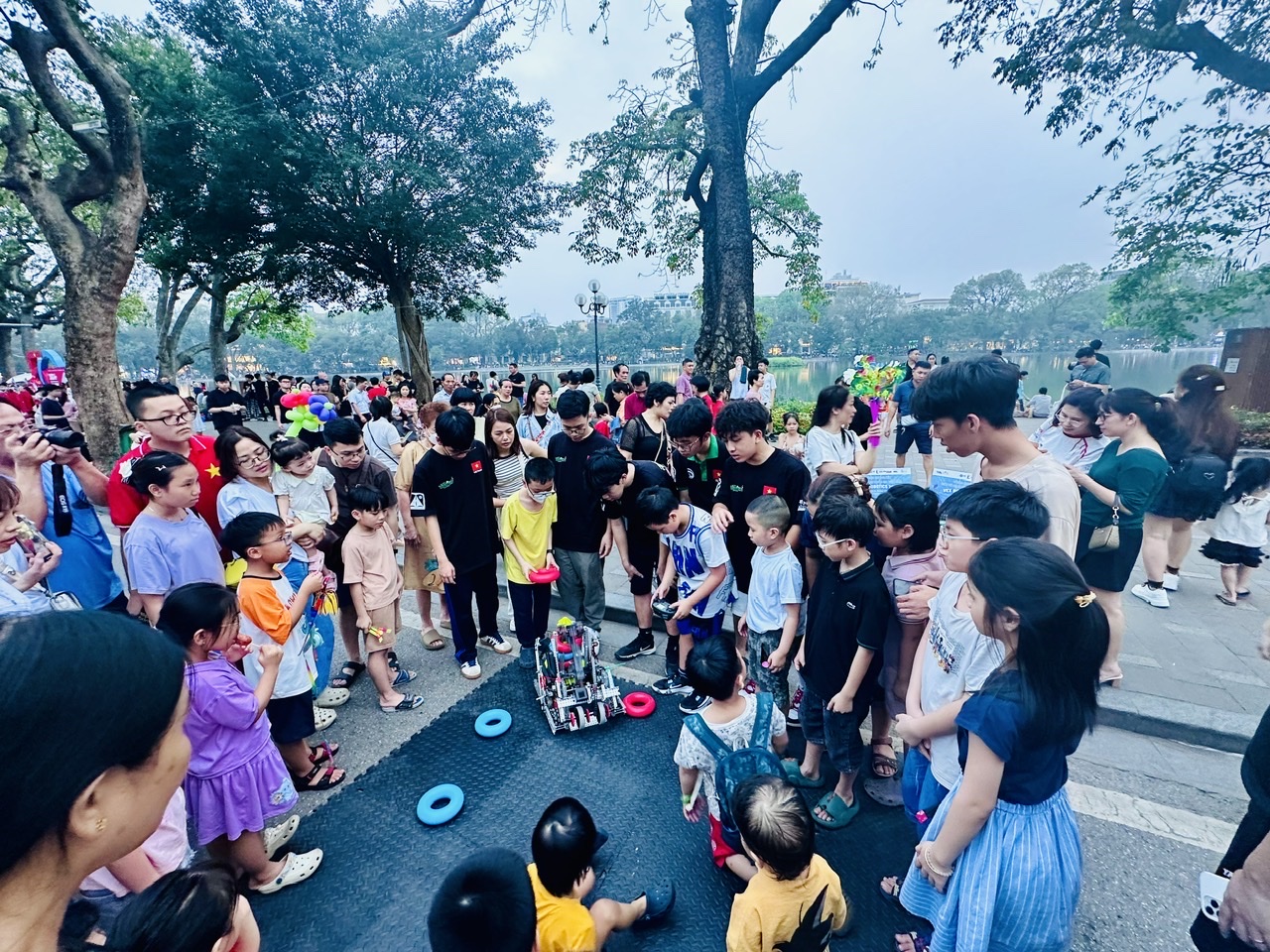
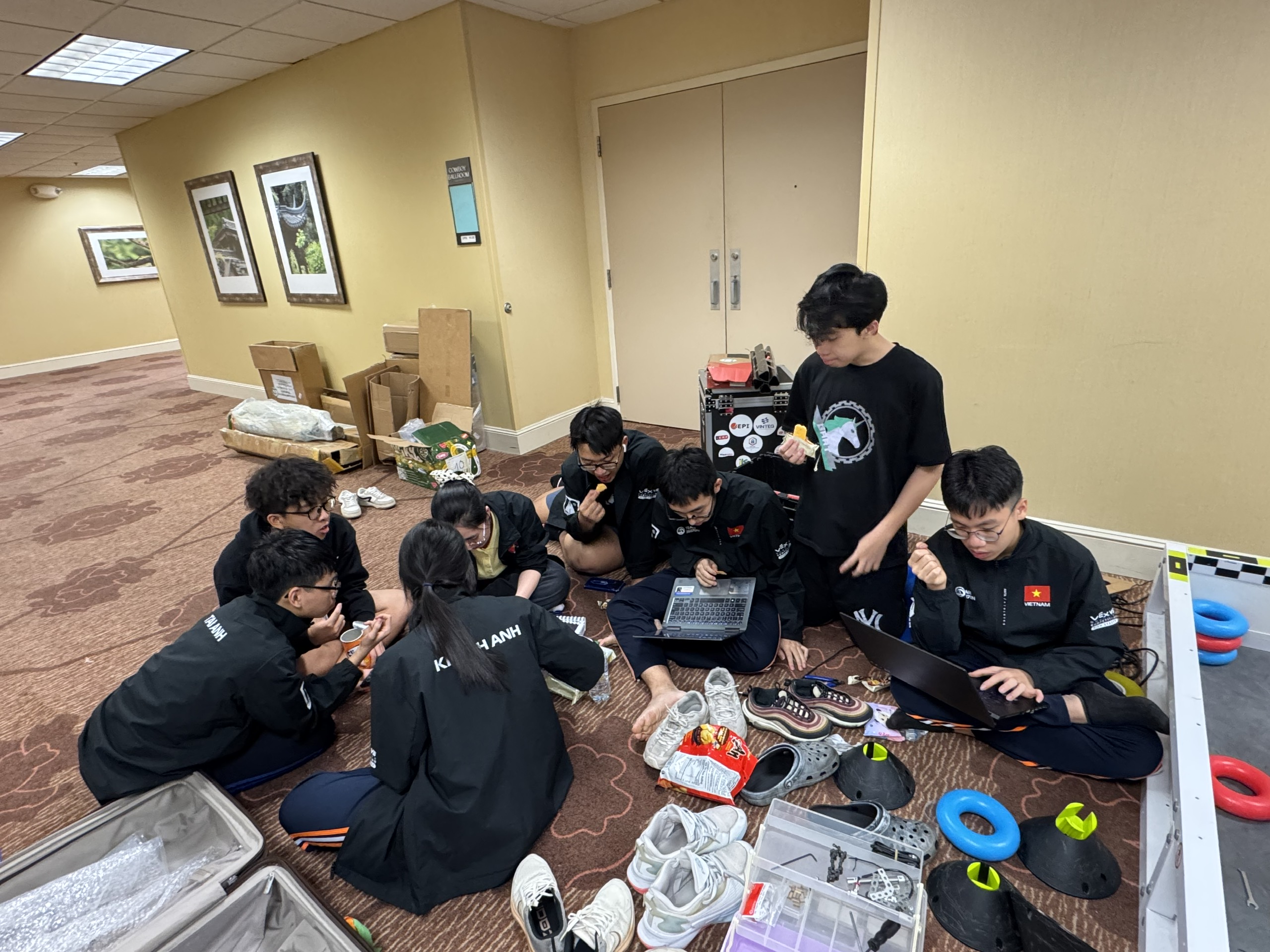
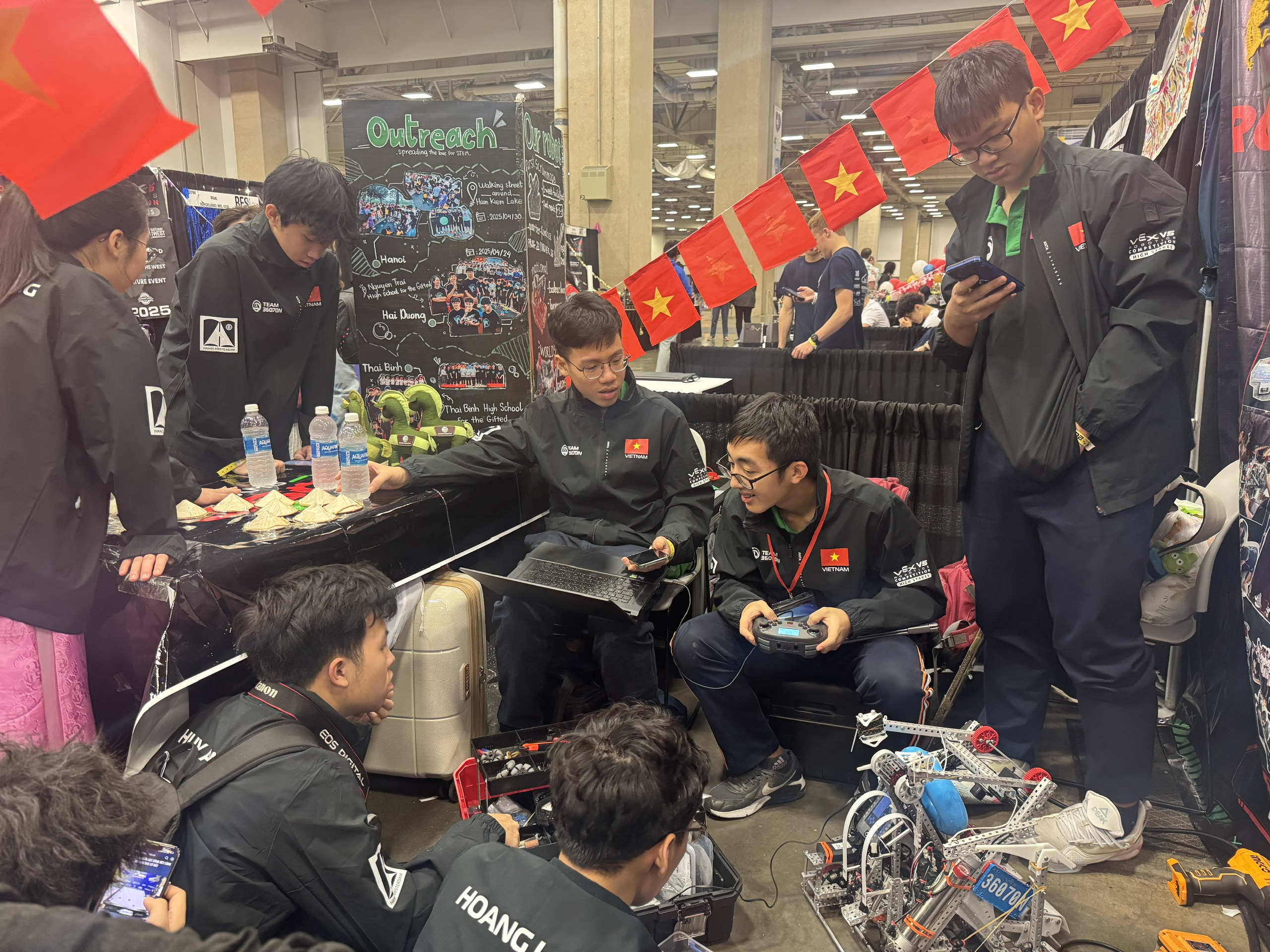
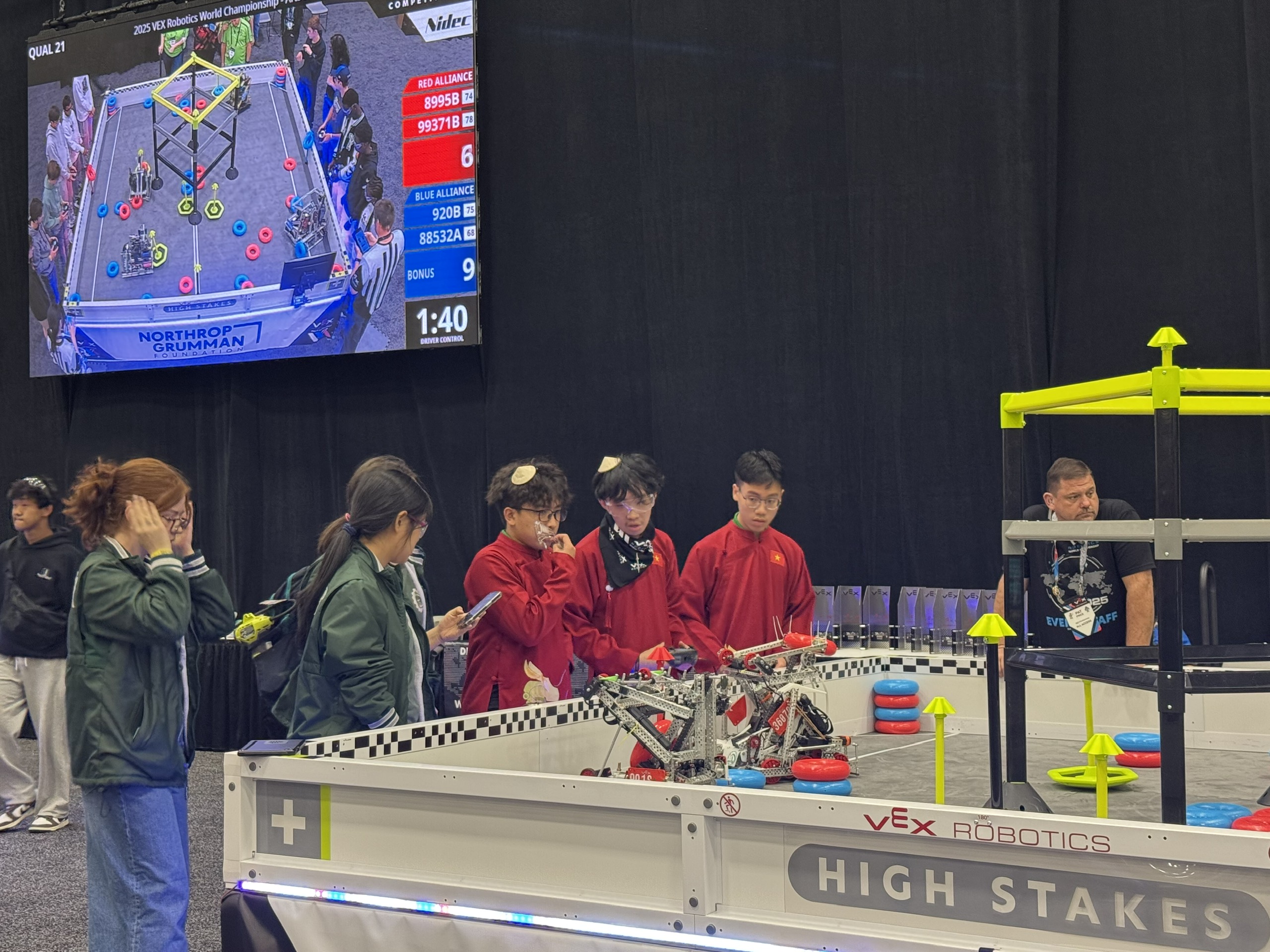

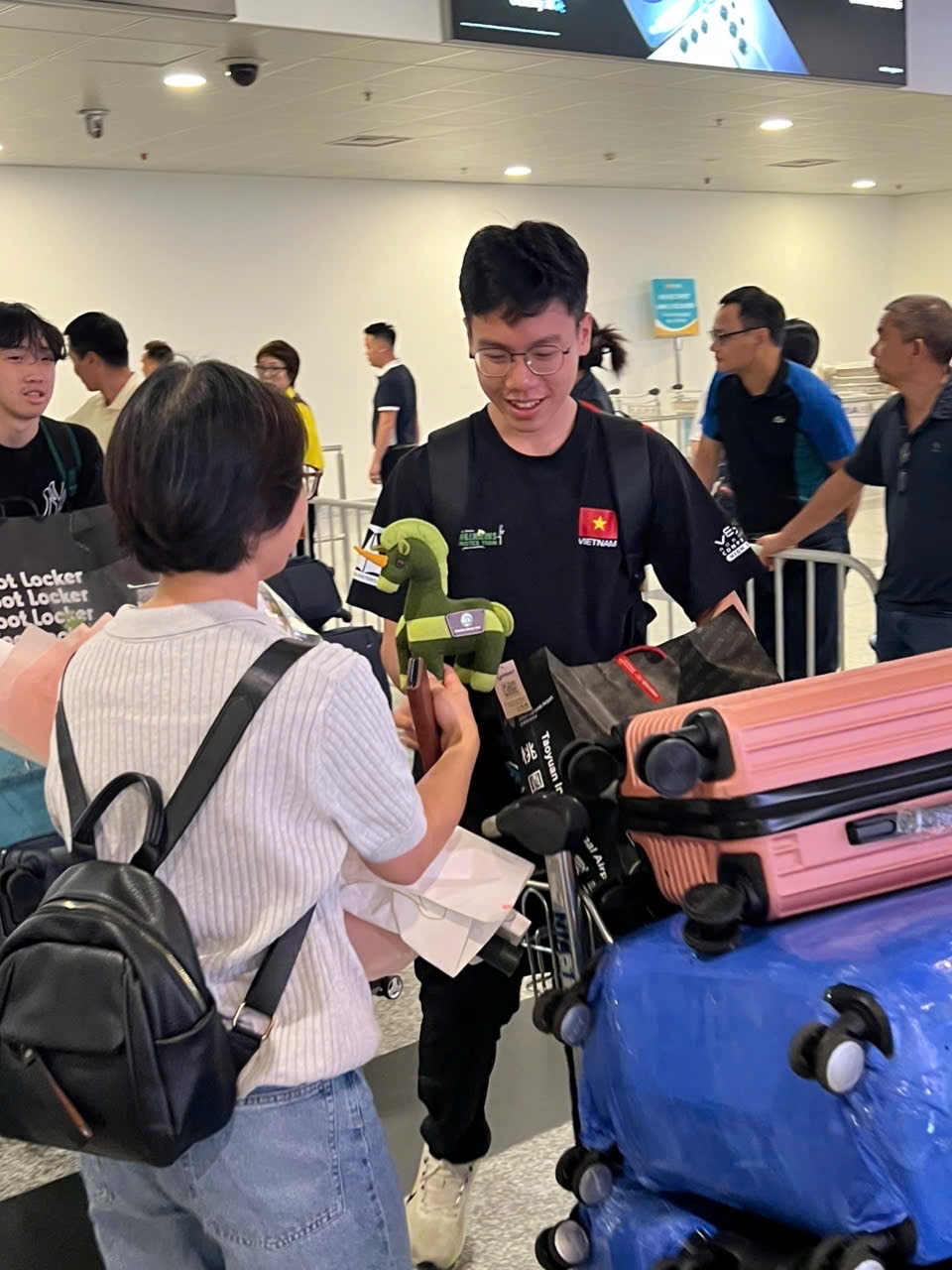

BOOT SEQUENCE
Every program has a boot sequence, the quiet lines that run before anything appears on screen. These are mine.
The kid who took things apart
I was the kid who never followed the instruction booklet. Give me a Lego set and within an hour the spaceship on the box had become a crane, then a car, then something with no name at all. I didn't care much about what the pieces were supposed to become. I wanted to know what else they could become.
My first "robot" was a Lego car with a rubber band for an engine. It rolled about thirty centimeters and flipped over. I rebuilt it eleven times that afternoon, changing one thing at a time - the wheel size, the band, the weight at the front. I didn't know the word yet, but I was debugging. Years later, when I wrote my first line of code, the feeling was exactly the same: try, fail, change one variable, try again.




64 squares
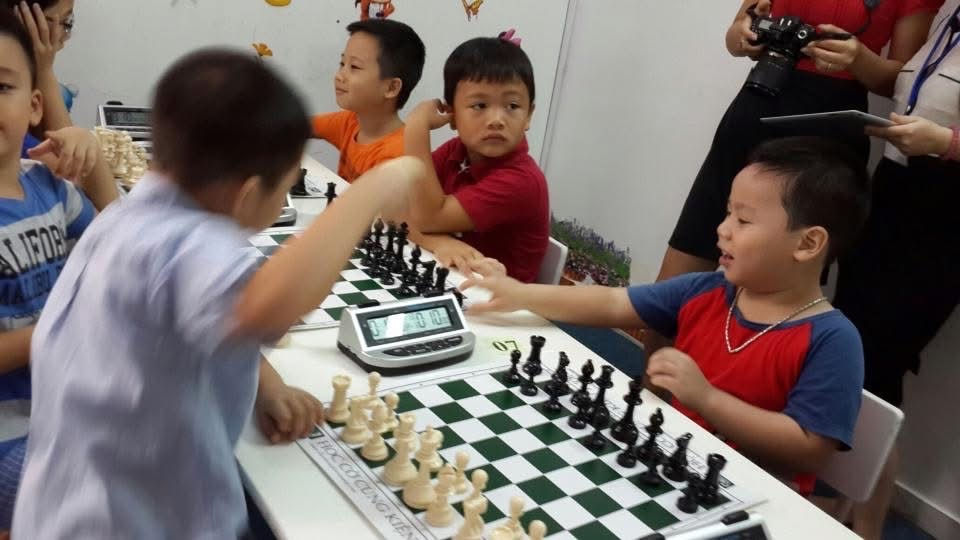
Chess and Chinese Chess came next. What hooked me wasn't winning - it was the moment, three moves ahead, when you suddenly see the whole board as a tree of possibilities. Later I learned that computers think about chess the same way, searching through those trees faster than any human. That was the first time I wondered: if a machine can learn to see a chessboard, what else could it learn to see?

from math to robots
At Hanoi - Amsterdam, I specialized in math. Olympiad problems taught me patience: some take an hour of staring before a single idea appears. But I kept wanting to see the math move. That's what robotics gave me.


When math grew arms and legs
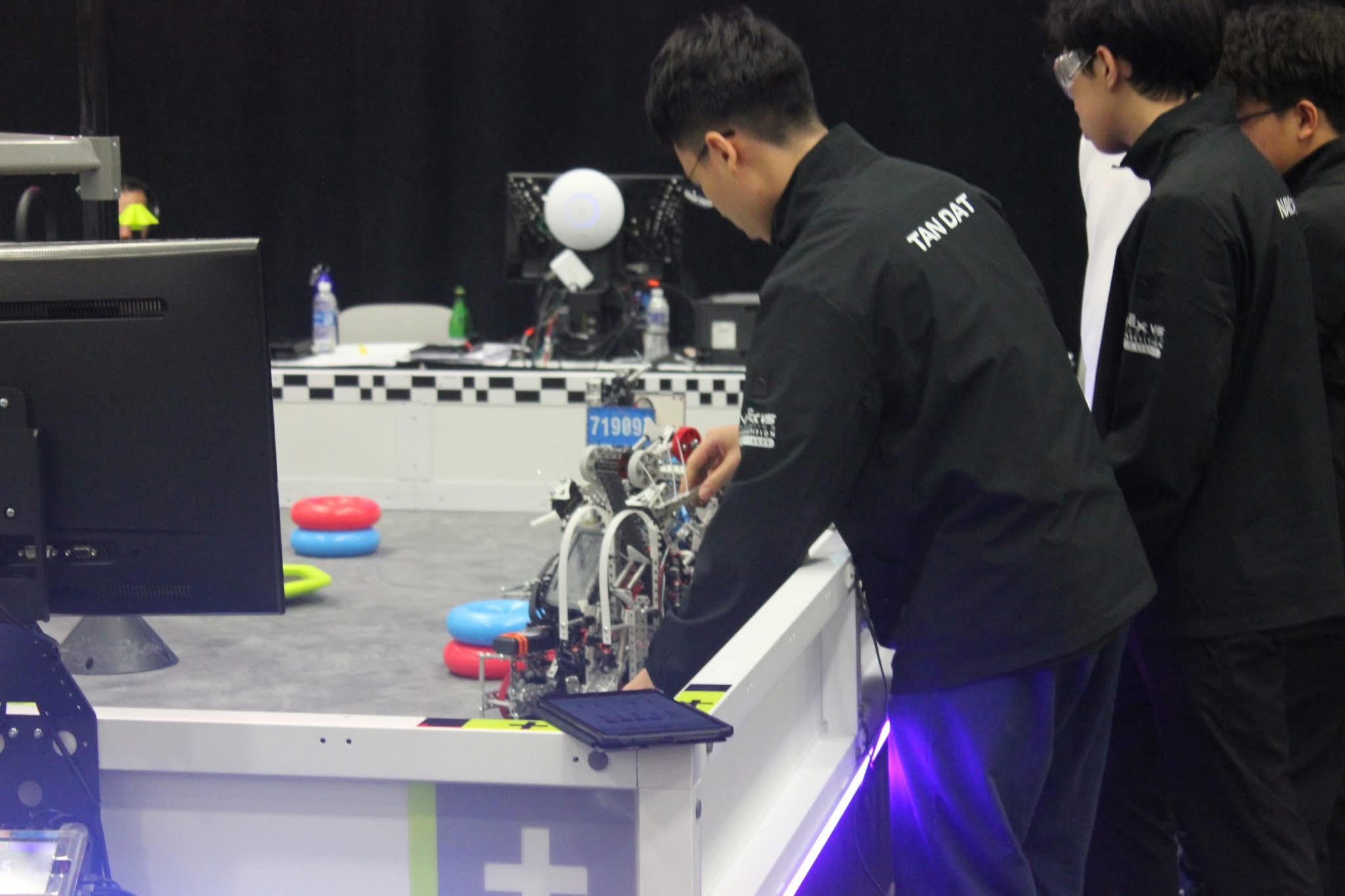
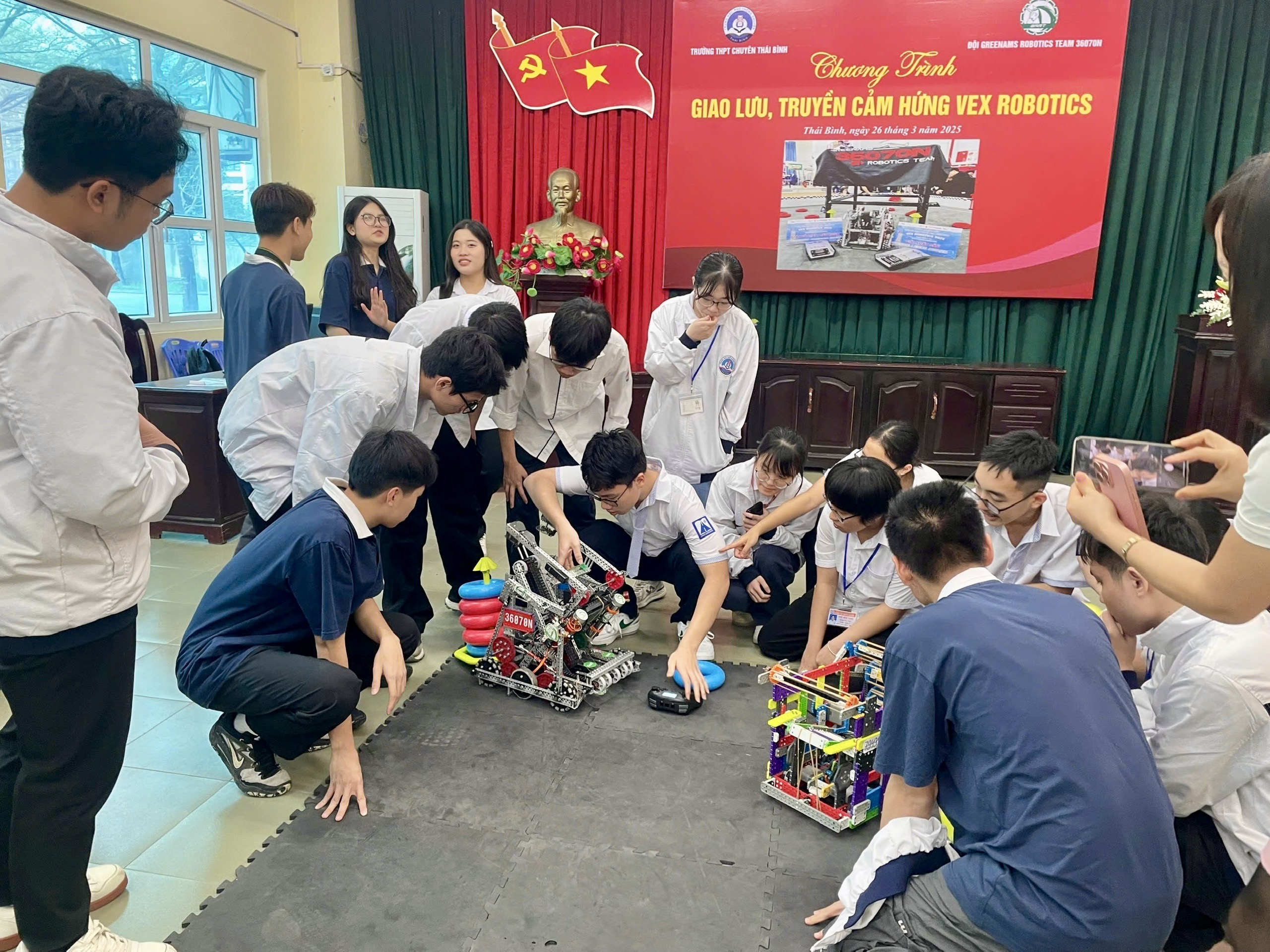
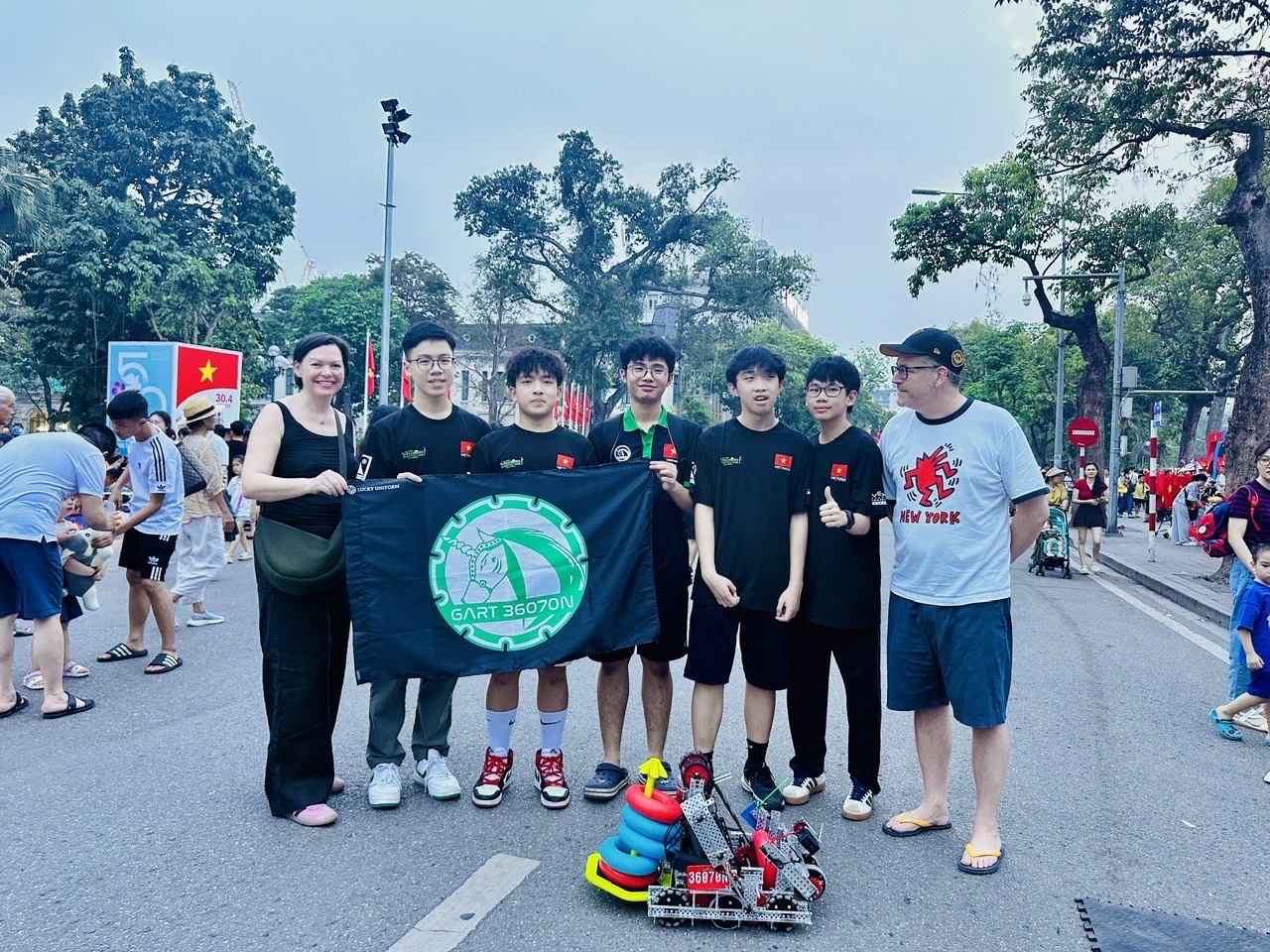
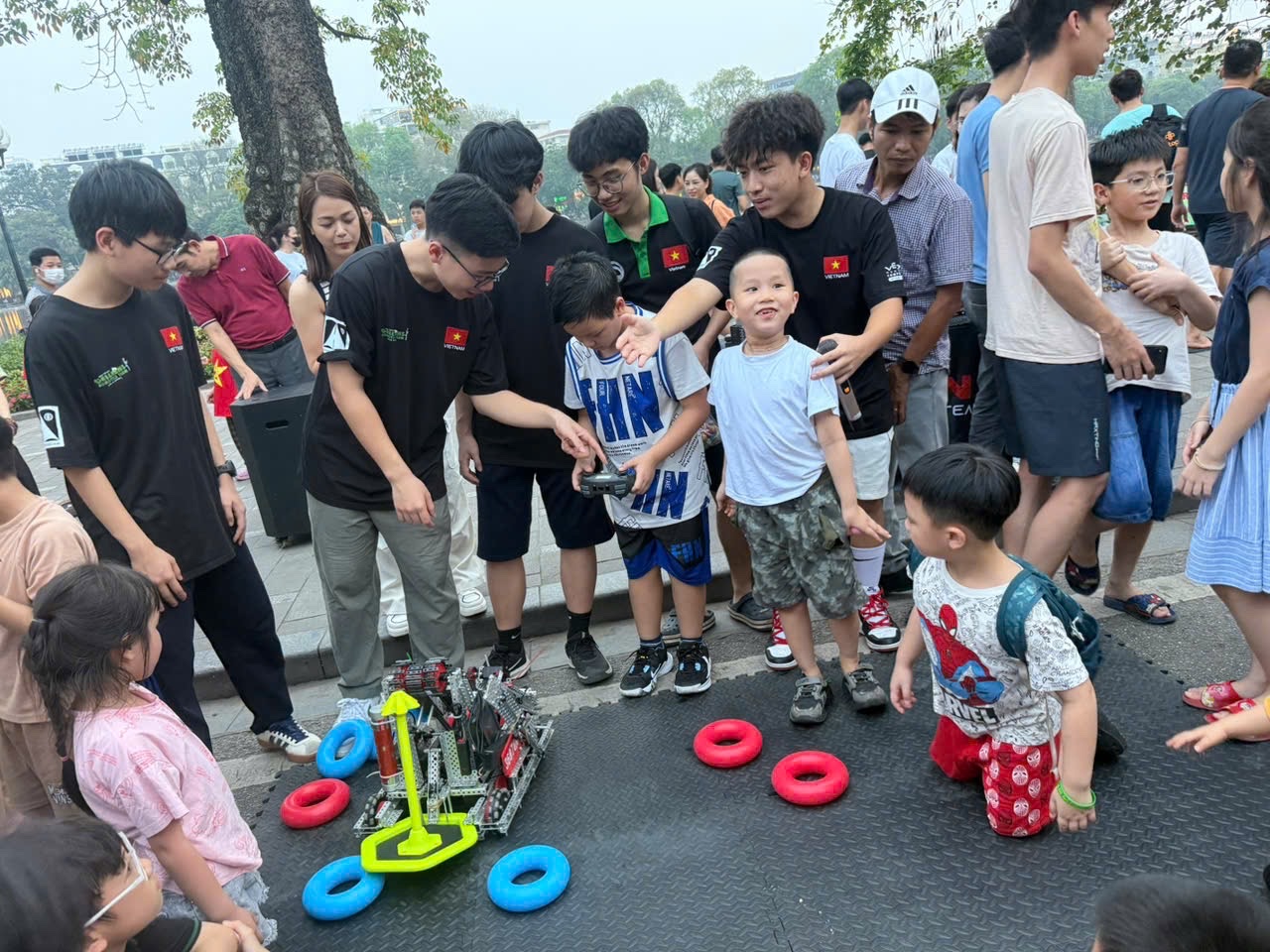
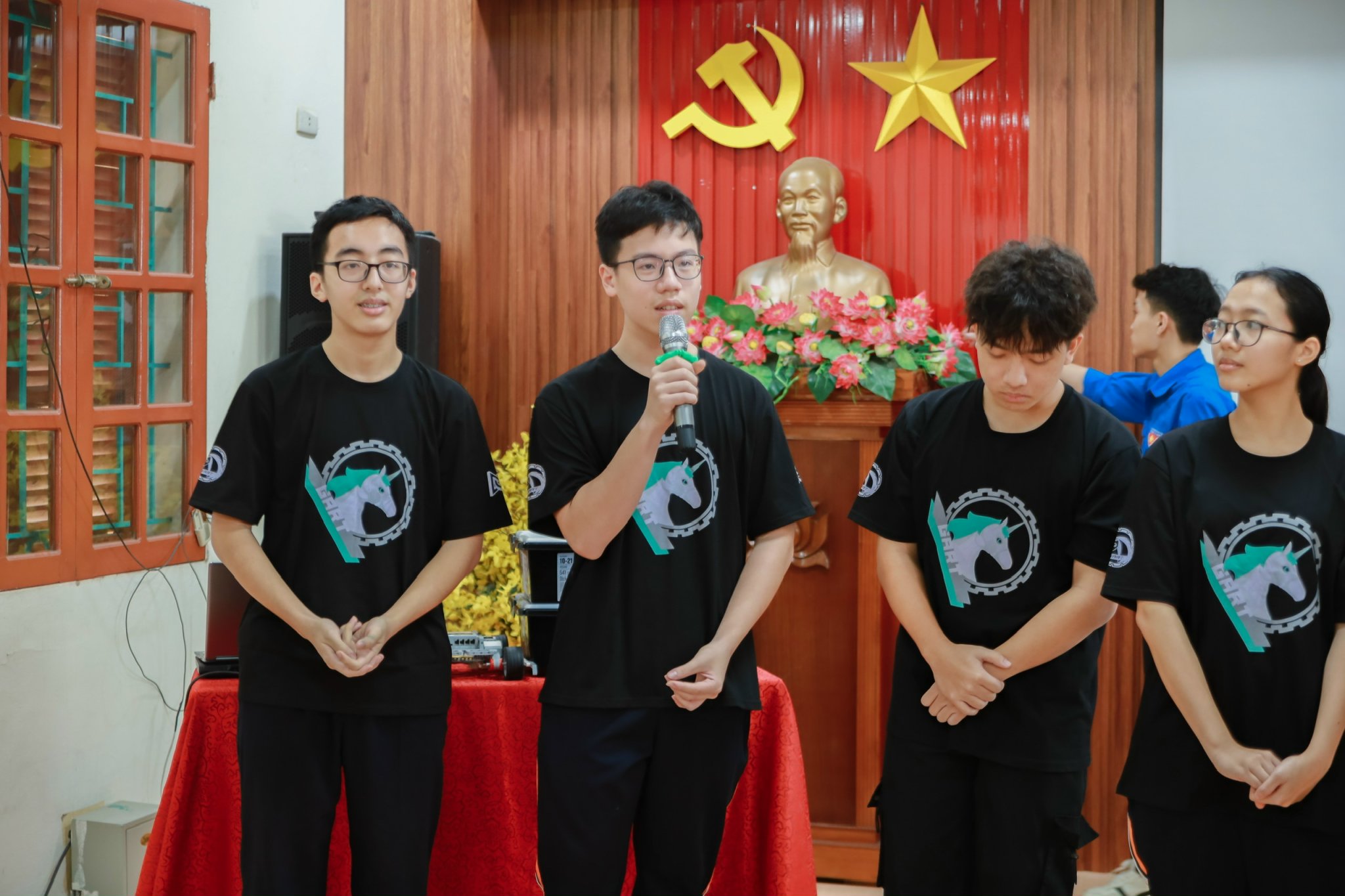
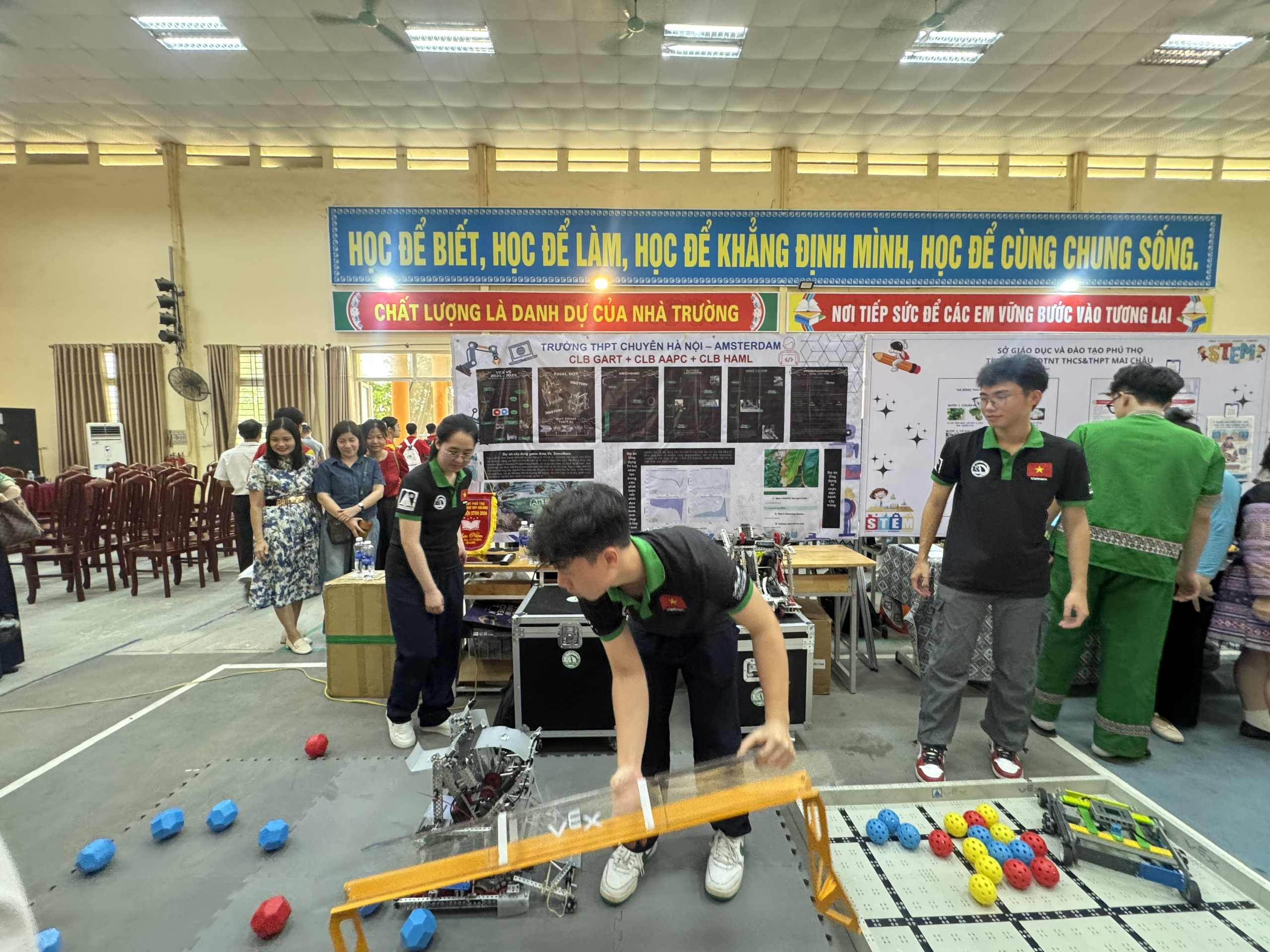
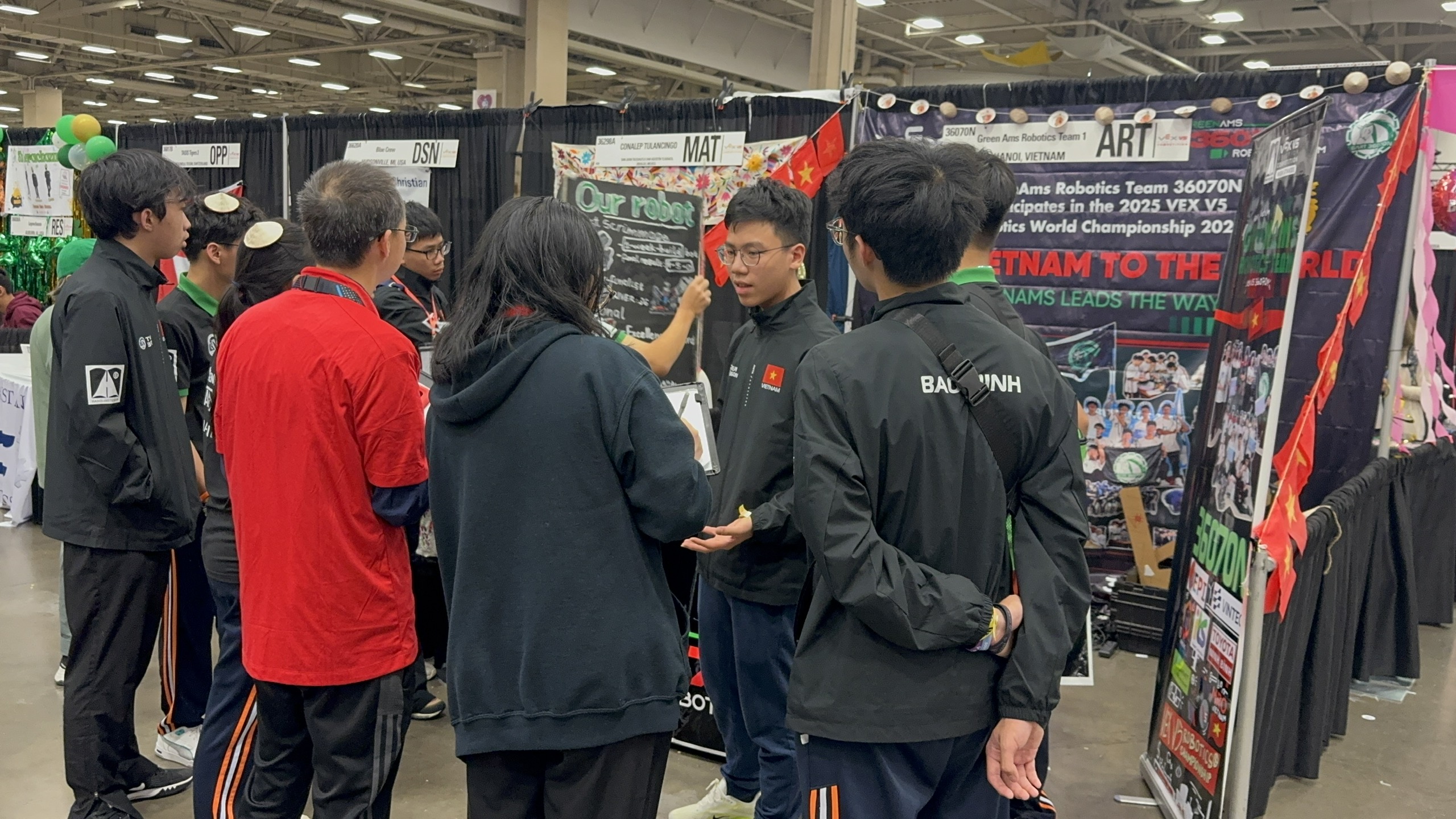
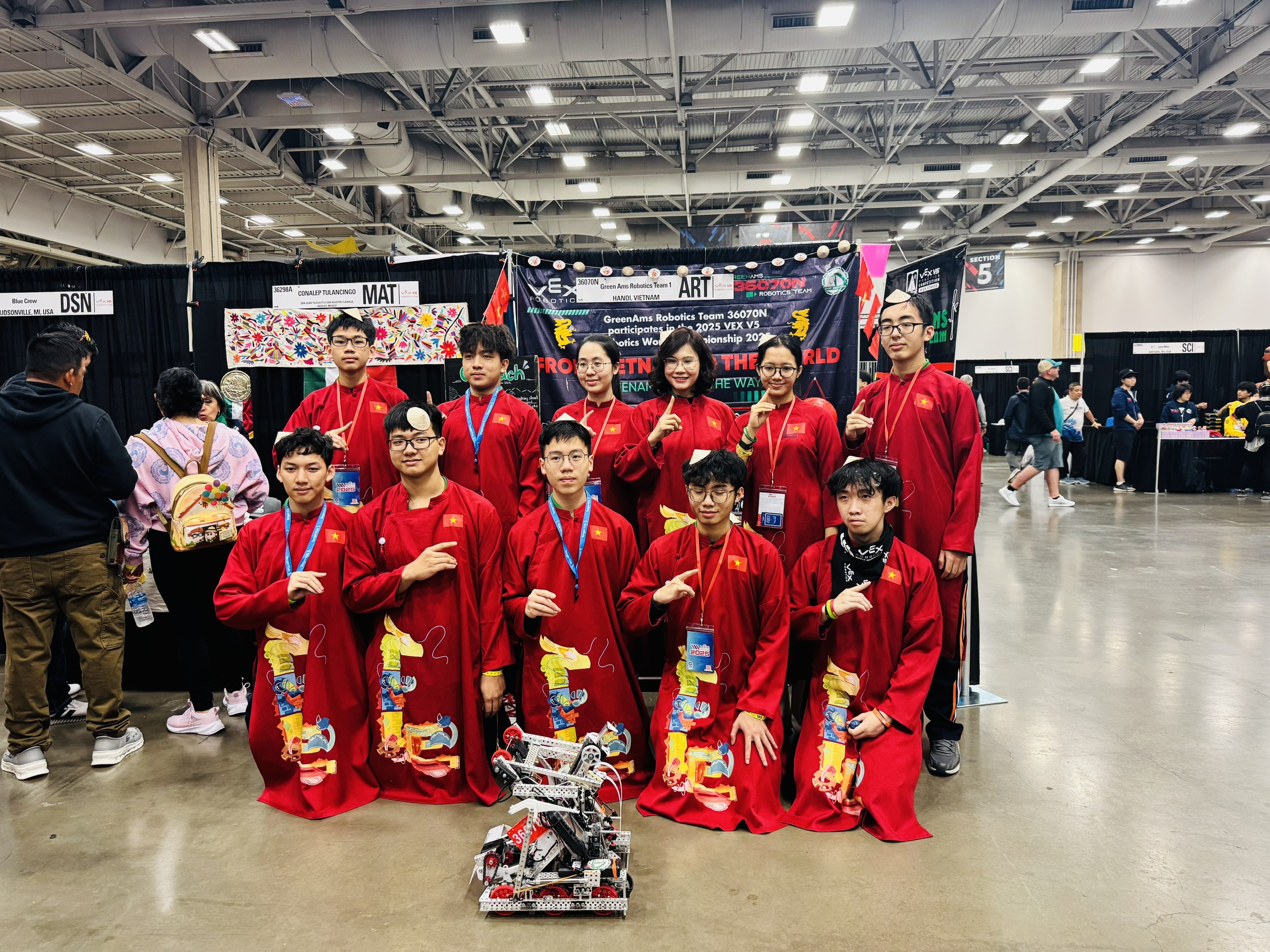
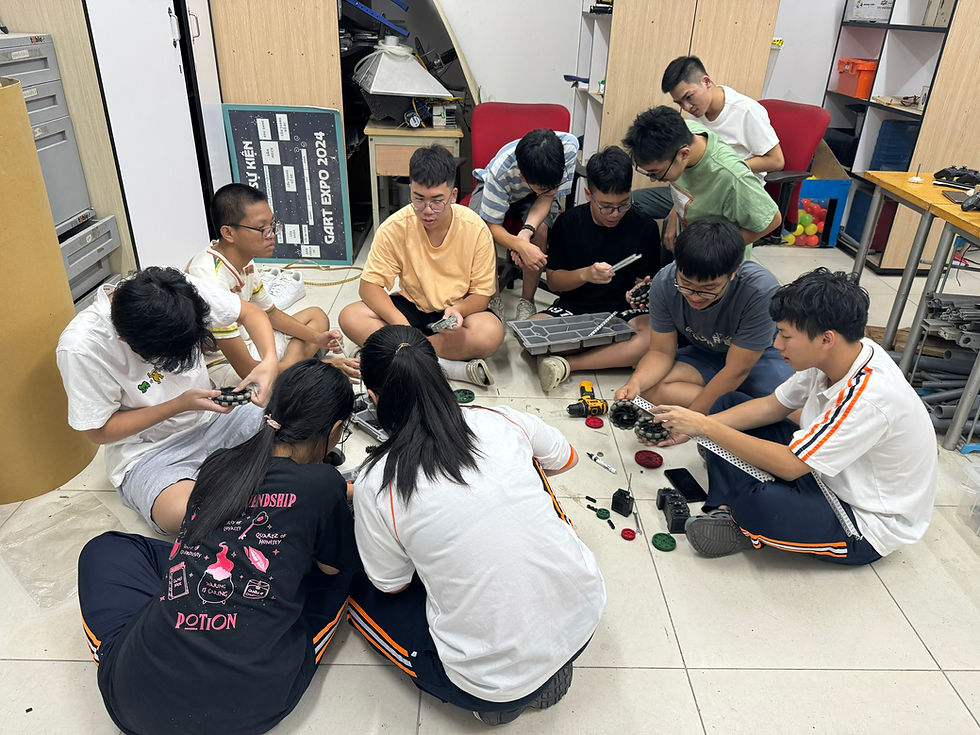
The first time I joined the Green Ams Robotic Team (GART), I was handed a VEX robot that drifted left every time it drove straight. The fix wasn't mechanical, it was a feedback loop, a few lines of control code that measured the error and corrected it hundreds of times per second. I realized the equations I'd been solving on paper could keep a machine balanced in real time. Two years later, as head of programming, I helped that team win the national VEX V5 championship and finish in the top 10 out of 800+ teams at the World Championship.


Teaching myself the rest
School gave me the math; the rest I had to find myself. I worked through Princeton's Computer Science: Programming with a Purpose and Rice's Fundamentals of Computing on Coursera, then Java, object-oriented programming, and machine learning through Funix. Each course answered one question and raised three more; which is exactly how I like to learn.

The Why:
for "Bà"
In 2024, my grandmother was diagnosed with lung cancer.


\What I remember most isn't the diagnosis; it's the waiting. Between each CT scan, there were weeks when nobody in my family knew whether she was getting better or worse. We wrote her coughs, her breathing, and her tiredness in a notebook, and every visit to the doctor began with my mother flipping through pages trying to remember what had changed.
I had spent years writing code to make robots faster. Sitting beside her, I realized I had never written a single line that helped someone I loved.
So I started reading. I read about how lung cancer is diagnosed, why it's so often caught late in Vietnam, and what new treatments could do. That reading became my first research paper. Then I started building: a simple app to replace the notebook, so that her nodule measurements and symptoms could be seen as a line over time instead of a pile of pages. That app became Lung Progress Tracker.
Everything on this website after this point- the research, the breath-screening AI, the trips to mountain clinics, even the running club - traces back to that notebook.
Curiosity booted me up. My grandmother gave me a reason to keep running.

